How long do folding containers last? This is a question that many potential buyers often ask me as a supplier of folding containers. In the following blog, I’ll share my insights based on years of experience in the industry, exploring the factors that influence the lifespan of folding containers and how to maximize their durability. Folding Container
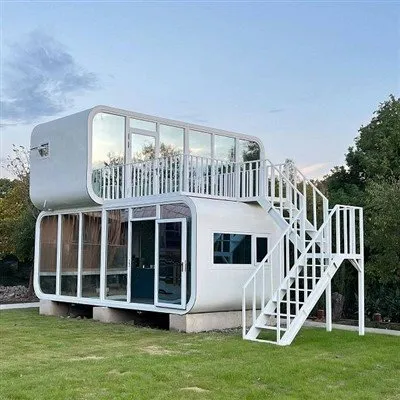
Factors Affecting the Lifespan of Folding Containers
1. Material Quality
The foundation of a long – lasting folding container lies in the quality of its materials. Commonly, high – grade steel is used for the frame of folding containers. Steel offers excellent strength and resistance to deformation. For instance, containers made from corrosion – resistant steel alloys, such as Corten steel, can withstand harsh environmental conditions. Corten steel forms a protective rust layer on its surface, which slows down the corrosion process significantly. In contrast, lower – grade steel may start to show signs of rust and structural weakness within a few years.
The panels of folding containers also play a crucial role. High – quality composite panels are often more durable than basic metal panels. Composite panels are lightweight, yet they offer good insulation and resistance to impacts. They are less likely to dent or crack, which can extend the overall lifespan of the container.
2. Design and Manufacturing
A well – designed folding container is more likely to have a longer lifespan. The joints and hinges of the container need to be carefully engineered. For example, containers with reinforced joints are better able to withstand the stress of repeated folding and unfolding. The manufacturing process also matters. Precision welding ensures strong connections between different parts of the container, reducing the risk of structural failure over time.
Environmental Conditions
The environment in which the folding container is used and stored has a significant impact on its longevity.
1. Climate
In coastal areas, where the air is salty, corrosion can be a major issue. The salt in the air accelerates the rusting process of the steel components of the container. Regular maintenance, such as applying anti – rust coatings, is essential in such environments. In contrast, in dry and temperate climates, the container is less likely to experience corrosion, and its lifespan can be extended.
Extreme temperatures can also affect the folding container. In very hot climates, the materials may expand, and in cold climates, they may contract. This expansion and contraction can put stress on the joints and panels of the container. If the container is not designed to handle these temperature variations, it may develop cracks or other structural issues.
2. Exposure to Elements
Containers that are exposed to direct sunlight for long periods may experience fading and degradation of the paint and surface materials. Rain, snow, and hail can also cause physical damage to the container. For example, large hailstones can dent the panels, while prolonged exposure to rain can lead to water seepage and internal corrosion.
Usage Patterns
How the folding container is used is another important factor in determining its lifespan.
1. Frequency of Folding and Unfolding
If a container is folded and unfolded frequently, the joints and hinges will experience more wear and tear. For example, in a rental business where the containers are constantly being moved and set up, the moving parts need to be of high – quality to withstand the repeated stress. Regular lubrication and inspection of these parts can help prevent premature failure.
2. Loading Capacity
Overloading the container can cause structural damage. Each folding container has a specified loading capacity, and exceeding this limit can lead to bending of the frame or cracking of the panels. It’s crucial for users to follow the recommended loading guidelines to ensure the long – term integrity of the container.
Maintenance and Care
Proper maintenance can significantly extend the lifespan of a folding container.
1. Regular Inspections
Conducting regular inspections of the container is essential. Check for signs of rust, damage to the panels, and loose joints. Early detection of problems allows for timely repairs, preventing minor issues from turning into major ones.
2. Cleaning and Lubrication
Clean the container regularly to remove dirt, debris, and salt. Use mild detergents and avoid abrasive cleaners that can damage the paint or surface materials. Lubricate the joints and hinges to ensure smooth operation and reduce friction, which can cause wear over time.
Typical Lifespan of Folding Containers
Under normal usage and proper maintenance conditions, a high – quality folding container can last anywhere from 10 to 20 years. However, this is a general estimate, and the actual lifespan can vary depending on the factors mentioned above.
In some cases, with exceptional material quality, a well – designed container used in a favorable environment and with minimal usage may last even longer. On the other hand, a container exposed to harsh conditions and misused may start to show significant deterioration within a few years.
Maximizing the Lifespan of Folding Containers
1. Choose High – Quality Containers
When purchasing a folding container, it’s important to choose a product from a reputable supplier. Look for containers with high – grade materials, robust design, and a good track record of durability. As a supplier, I always emphasize the importance of quality in my offerings, using only the best materials and advanced manufacturing techniques to ensure long – lasting performance.
2. Follow Best Practices
Educate users on the proper usage and maintenance of the containers. Provide clear guidelines on loading capacity, folding and unfolding procedures, and regular maintenance tasks. By following these best practices, users can significantly extend the lifespan of their folding containers.
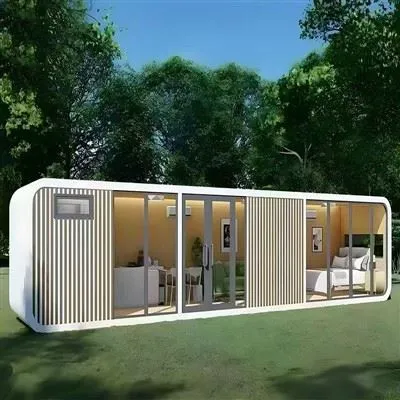
In conclusion, the lifespan of folding containers is influenced by multiple factors, including material quality, design, environmental conditions, usage patterns, and maintenance. As a folding container supplier, I am committed to providing high – quality products and sharing knowledge on how to maximize their durability. If you are considering purchasing folding containers for your business or personal use, I encourage you to contact me for more information. I’d be happy to discuss your specific needs and provide you with the best solutions. Whether you need containers for storage, transportation, or temporary shelter, I can offer a range of options to meet your requirements.
Space Capsule References
- Industry standards for container manufacturing and quality control
- Research studies on the corrosion resistance of different steel alloys
- Case studies on the long – term performance of folding containers in various environments
Aoborui Seiko Technology (Weifang) Co., Ltd.
As one of the most professional folding container manufacturers and suppliers in China, we also support customized service. Please feel free to wholesale high-grade folding container made in China here from our factory. Welcome to view our website for more information.
Address: Building 38, Zhongnan High-tech, Weifang Yuandu Huizhi Industrial Park, No. 3999, Taixiang Street, Hanting District, Weifang City, Shandong Province
E-mail: admin@sino-abr.com
WebSite: https://www.sinoabr.com/
