As a PVC conduit supplier, I’m often asked about the chemical composition of PVC conduit. In this blog post, I’ll delve into the details of what makes up PVC conduit, its benefits, and why it’s a popular choice in various industries. PVC Conduit
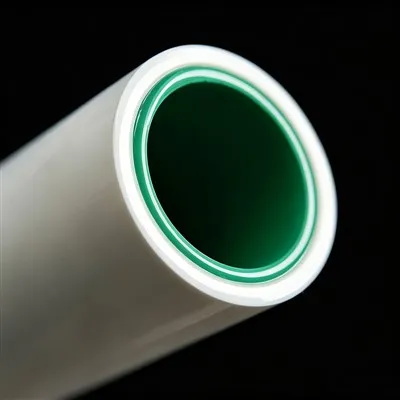
Polyvinyl Chloride: The Base Material
PVC, or polyvinyl chloride, is the primary component of PVC conduits. It’s a synthetic thermoplastic polymer that’s derived from vinyl chloride monomers. Through a process called polymerization, these monomers are linked together to form long chains of PVC. The chemical formula for vinyl chloride is CH₂=CHCl, and when polymerized, it forms a stable and durable material.
PVC is known for its excellent chemical resistance, which makes it suitable for a wide range of applications. It can withstand exposure to various chemicals, including acids, alkalis, and salts, without significant degradation. This property is particularly important in industrial settings where conduits may come into contact with corrosive substances.
Additives in PVC Conduit
While PVC forms the base of the conduit, several additives are incorporated to enhance its performance and properties. These additives play crucial roles in improving the conduit’s durability, flexibility, and resistance to environmental factors.
Plasticizers
Plasticizers are one of the most important additives in PVC conduit. They are used to increase the flexibility and workability of the PVC material. By adding plasticizers, the PVC becomes more pliable, making it easier to bend and install. Commonly used plasticizers in PVC conduit include phthalates. However, due to environmental and health concerns, alternative plasticizers are also being used. These alternative plasticizers offer similar benefits while being more environmentally friendly.
Stabilizers
Stabilizers are added to PVC conduit to prevent degradation caused by heat, light, and oxygen. During the manufacturing process, PVC is exposed to high temperatures, and stabilizers help to maintain its chemical structure and prevent discoloration and brittleness. There are different types of stabilizers, including lead – based stabilizers, calcium – zinc stabilizers, and organic tin stabilizers. In recent years, there has been a shift towards the use of more environmentally friendly stabilizers due to the potential health risks associated with lead – based stabilizers.
Lubricants
Lubricants are used to improve the flow properties of PVC during the extrusion process, which is used to manufacture PVC conduit. They reduce the friction between the PVC material and the processing equipment, ensuring a smooth and continuous production process. Lubricants also help to prevent the PVC from sticking to the machinery, which can improve the efficiency and quality of the final product.
Fillers
Fillers are sometimes added to PVC conduit to reduce costs and improve certain properties such as stiffness and fire resistance. Common fillers include calcium carbonate. By adding fillers, the amount of PVC resin used in the conduit can be reduced, which helps to lower the production cost. At the same time, calcium carbonate can enhance the fire – retardant properties of the conduit and improve its dimensional stability.
Impact Modifiers
Impact modifiers are used to improve the conduit’s resistance to impact and mechanical stress. PVC conduit may be subjected to various impacts during installation and use, and impact modifiers help to prevent cracking and breakage. These modifiers are typically elastomeric polymers that are blended with the PVC to enhance its toughness and flexibility under impact conditions.
Benefits of PVC Conduit’s Composition
The specific chemical composition of PVC conduit gives it several advantages over other types of conduits.
Durability
The combination of PVC and additives results in a highly durable conduit. It can withstand harsh environmental conditions, including extreme temperatures, moisture, and UV radiation, without significant deterioration. This durability ensures a long service life for the conduit, reducing the need for frequent replacements.
Cost – Effectiveness
As mentioned earlier, the use of fillers in PVC conduit can help to reduce production costs. Additionally, PVC is a relatively inexpensive raw material compared to other materials used for conduits, such as metal. This makes PVC conduit a cost – effective choice for both small – scale and large – scale projects.
Chemical Resistance
The excellent chemical resistance of PVC conduit, thanks to the base PVC material and its inherent properties, makes it suitable for use in chemical plants, laboratories, and other environments where exposure to corrosive chemicals is likely. It can protect the electrical wires inside from chemical damage, ensuring the safety and reliability of the electrical system.
Ease of Installation
The flexibility provided by plasticizers and impact modifiers makes PVC conduit easy to handle and install. It can be bent and cut to the required lengths on – site without the need for specialized tools or equipment. This ease of installation saves both time and labor costs during the construction process.
Applications of PVC Conduit
PVC conduit is widely used in various industries due to its favorable chemical composition and properties.
Electrical Wiring
One of the most common applications of PVC conduit is in electrical wiring systems. It provides a protective housing for electrical wires, preventing them from being damaged by physical impact, moisture, and chemicals. PVC conduit is used in residential, commercial, and industrial buildings to ensure the safe and efficient distribution of electricity.
Telecommunication
In the telecommunication industry, PVC conduit is used to protect fiber optic cables and other communication wires. It helps to maintain the integrity of the cables, ensuring reliable communication signals. PVC conduit’s resistance to environmental factors makes it suitable for both indoor and outdoor telecommunication installations.
Construction
In the construction industry, PVC conduit is used for a variety of purposes. It can be used in underground installations to protect electrical and communication cables from soil moisture and other underground hazards. It is also used in above – ground applications, such as in building facades and interior walls, to provide a neat and organized way of routing cables.
Why Choose Our PVC Conduit
As a supplier of PVC conduit, we take pride in offering high – quality products. Our PVC conduit is manufactured using the latest technology and the highest – quality raw materials. We carefully select the additives to ensure that our conduits meet the highest standards of performance, durability, and safety.
We understand the importance of environmental protection, and we are committed to using environmentally friendly additives in our products. Our PVC conduit is free from harmful substances such as lead and other heavy metals, making it a safe choice for both the environment and human health.

In addition to the quality of our products, we also offer excellent customer service. Our team of experts is always ready to provide technical support and advice to our customers. Whether you have questions about the chemical composition of our PVC conduit, its installation, or its application in your project, we are here to help.
PERT Pipe If you are in the market for PVC conduit, we invite you to contact us for more information. We can provide you with detailed product specifications, samples, and competitive quotes. Our goal is to establish long – term partnerships with our customers based on trust, quality, and mutual benefit. Let’s start a conversation about your PVC conduit needs and find the best solution for your project.
References
- "Polyvinyl Chloride (PVC) Handbook" by Charles A. Daniels
- "Plastics Additives: An A – Z Reference" by Geoffrey Pritchard
- "Handbook of Thermoplastics" edited by O. Olabisi
Hebei Ruijie Pipe Industry Co., Ltd.
Hebei Ruijie Pipe Industry Co., Ltd. is one of the most experienced PVC conduit manufacturers and suppliers in China. With a professional production team, we are able to meet the needs of the majority of our customers. Welcome to wholesale high quality PVC conduit in stock here from our factory. Contact us for pricelist and free sample.
Address: Industrial Park, Shaozhuang Township, Suning County, Cangzhou City, Hebei Province
E-mail: 1987870474@qq.com
WebSite: https://www.rjpprpipe.com/
