If you’ve ever spent a weekend hunched over a 1,000-piece jigsaw, muttering about missing edge pieces, or argued with a friend over a 500-piece escape room puzzle’s red herrings, a puzzle competition might feel like just a high-stakes, chaotic extension of that hobby. As a puzzle supplier who’s worked with competition organizers for over a decade, I’ve seen everything from first-time competitors freezing at the starting line to seasoned veterans blowing through a 2,000-piece puzzle in half the time the rest of the field took. This post isn’t just about memorizing common puzzle tricks—it’s about how to show up, prepare, and compete like you belong, whether your goal is a gold medal or just to avoid finishing dead last. Puzzle
First, let’s get one thing straight: puzzle competitions aren’t just for “super smart” people. I’ve supplied puzzles for everything from local library events with 20-person fields to national tournaments with 200+ competitors, and the most consistent winners aren’t always the people who can solve a cryptic crossword in five minutes. They’re the people who treat the competition like a sport, not a casual after-work hobby. That means breaking down your preparation into manageable, actionable steps, not just mindlessly solving puzzles for fun.
Let’s start with the basics: picking the right competition. Not all puzzle contests are created equal, and signing up for a national-level event as your first ever competition is a great way to get overwhelmed before you even start. For first-timers, look for local events—think library fairs, board game café tournaments, or regional puzzle leagues. These usually have smaller fields, easier rules, and shorter puzzle sets, which let you get your feet wet without the pressure of a big stage. If you’re already a regular puzzle solver, maybe test your skills at a mid-sized event before moving up. A quick tip: when I work with organizers, I always make sure to note the skill level of the puzzle sets for each event, so don’t be afraid to shoot them an email to ask if it’s a good fit for beginners.
Once you’ve picked a competition, the real preparation starts. I’ve seen competitors show up the day of with a handful of random puzzles and struggle, while those who put in consistent, targeted practice almost always do better. Let’s break that practice down by competition type, because not all puzzles are the same. There are three main categories you’ll run into in contests: jigsaw puzzles (the most common), logic puzzles (Sudoku, grid-based puzzles, escape room-style riddles), and word puzzles (crosswords, anagrams, cipher codes). Your practice should focus on the types the specific competition uses.
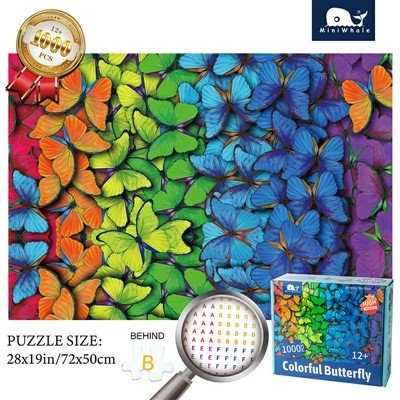
For jigsaw puzzle competitions—super popular, even casual—this is where you can gain the most ground. Most competition jigsaws are not the mass-produced ones you find at the grocery store. They’re usually 1,000 to 5,000 pieces, with very subtle color differences (think: a sky with 10 shades of blue, or a forest with barely distinguishable browns and greens). That means casual practice of random 1,000-piece puzzles won’t cut it. Instead, practice with high-difficulty jigsaws that challenge your pattern recognition. I supply a lot of these: puzzles with hard-to-distinguish patterns, or ones that have pieces that look almost identical until you hold them up to their neighbors. A trick I’ve picked up from watching competitors: time yourself when you practice. If you’re taking 4 hours to solve a 1,000-piece puzzle at home, you’re going to need to cut that time in half to compete. So set a timer, build the puzzle, and note where you’re wasting time—like fumbling for edge pieces, or sorting pieces by color too slowly. Small tweaks add up fast.
For logic puzzle competitions, the key is speed without sacrificing accuracy. Most contests have a time limit, and even a small mistake can cost you points—some organizers deduct for wrong answers, so rushing to finish isn’t always better. For example, a standard Sudoku that takes you 10 minutes at home can usually be solved in 6 minutes if you practice the “hidden pair” and “X-wing” techniques until they’re second nature. I often recommend to competitors that they use past competition puzzles to practice—most organizers post old sets on their websites, so you can solve them under timed conditions and compare your time to the top finishers. For escape room-style puzzles, which are more common in team competitions, practice with your friends on casual escape room nights, but pay attention to how you communicate. Teams that split work efficiently—one person handling clues, another organizing physical pieces, another documenting leads—almost always outperform teams where everyone is grabbing at the same clue.
Word puzzle competitions, especially cryptic crosswords, are where a lot of first-time competitors get stuck. Casual crosswords rely on general knowledge, but cryptic crosswords have specific rules: each clue has a definition part and a wordplay part, like anagrams, hidden words, or reversals. The best way to get good at these is to learn a list of common cryptic clue tricks, then practice with old tournament crosswords. I’ve had customers tell me that solving 10 old tournament crosswords a week for a month turned them from someone who finished a crossword in an hour to someone who solves a cryptic in 10 minutes. It’s not about being a genius—it’s about recognizing the patterns.
Now, the day of the competition: this is where preparation meets execution, and small, easy-to-mess-up things can make a big difference. First, don’t show up empty-handed. Most competitions allow a small kit for jigsaw puzzles—no tools that can damage puzzle pieces, but things like a small magnifying glass (for those tiny, hard-to-read piece images), a ruler (to test if pieces fit by edge length, a trick a lot of veterans use), and a notebook for logic puzzles to jot down clues. Pro tip: leave the giant 10-pound puzzle mat at home. Most competitions provide flat tables, and the extra mat just takes up space you need for puzzle pieces.
Second, know the rules cold, right before the start. Organizers always give a quick rules briefing, and the mistake a lot of first-timers make is scrolling on their phone instead of listening. For example, some jigsaw competitions don’t let you flip pieces over (to avoid peeking at the image on the back), some deduct points for wrong answers in logic rounds, and team competitions have strict time limits for each puzzle. I’ve seen a team lose by 10 points because they handed in an answer sheet a minute late—something that would’ve been avoidable if they’d paid attention to the briefing.
Third, pace yourself. It’s so easy to get stuck on one puzzle, especially if it’s a hard jigsaw. If you’re 10 minutes in and haven’t found the first edge piece, don’t keep banging your head against it. Take a breath, move to the next puzzle, or even just stretch your hands—soreness from gripping puzzle pieces all day is a real thing, and a 2-minute break can make a huge difference. I’ve seen top competitors intentionally leave one puzzle half-done to come back to it later, and it’s a smart move. The goal is to earn as many points as possible, not to finish every puzzle first.
For team competitions, there’s an extra layer: communication and role assignment. Don’t let everyone do the same thing. If your team has two people, one should handle the puzzle assembly (for jigsaws) and one should organize clues (for logic or word puzzles). If you have three or more people, split the work by skill: someone good at anagrams, someone good at Sudoku, someone good at organizing clues. And most importantly, don’t argue. I’ve watched teams fall apart over a single wrong clue, and even the best players can make mistakes on competition day. Keep the energy positive, and if someone is stuck, switch roles for a bit—fresh eyes on a puzzle you’ve been staring at for 20 minutes can find a solution fast.
Now, what about after the competition? Even if you don’t place, this is where you learn and get better. Most competitions will give you a score sheet or feedback, so take note of where you lost points. Did you take too long on edge pieces? Did you miss a common cryptic clue trick? Also, network a little—other competitors and organizers are usually happy to share tips, and if you loved the experience, it’s a great way to find out about more competitions. As a puzzle supplier, I’ve seen a lot of my regular customers go from first-time competitors to top finishers just by connecting with other people who share the hobby.
Wait, let’s address a common misconception: you don’t need to spend a fortune on expensive puzzles to compete. A lot of first-timers think they need to buy fancy high-difficulty puzzles to practice, but that’s not true. You can solve past competition puzzles for free online, use free Sudoku and crossword apps for practice, and even borrow puzzles from library game nights. I’ve had competitors who only practice with library puzzles and win local events, and competitors who buy every high-difficulty puzzle I make and still place mid-pack. It’s about consistent, targeted practice, not how many puzzles you own.
Another thing: be kind to yourself. Puzzle competitions are designed to be challenging—half the people will finish last, and most will make mistakes. I’ve been to national tournaments where a 5,000-piece jigsaw was so hard that half the field didn’t finish it. The goal is to have fun while testing your skills, not to impress anyone. That’s why I love working in this space—puzzle competitions are for everyone, whether you’re a 10-year-old doing a 100-piece Disney puzzle or a 70-year-old who’s been solving crosswords for 50 years.
If you’re someone who’s participated in puzzle events before and is ready to take your skills to the next level, or if you’re an organizer looking for custom, high-quality puzzles for your next competition, I’d love to connect. For teams gearing up for a big tournament, I can create custom puzzle sets tailored to your event’s difficulty level, and for individual competitors, I have a range of practice puzzles designed to help you build speed and accuracy without getting bored. Whether you need small, local event sets or large-scale tournament puzzles, we can work together to make your next puzzle competition a success.
Interactive Books References:
- Puzzle Competitors’ Association. (2023). "Beginner’s Guide to Tournament Puzzle Preparation." Retrieved from puzzlecompetitors.org
- International Jigsaw Puzzle Federation. (2022). "Rules and Best Practices for Jigsaw Competition Events."
- Word Puzzle Enthusiasts League. (2023). "Cryptic Clue Strategies for Competitive Solvers."
- Local Game Store Association. (2023). "Team Dynamics in Puzzle Tournament Competitions."
NINGBO LOTO PACKAGE MANUFACTORY CO.,LTD
Ningbo Sentu Art and Crafts Co., Ltd. is one of the most professional puzzle manufacturers and suppliers in China. With abundant experience, we warmly welcome you to buy high quality puzzle made in China here from our factory. If you have any enquiry about cooperation, please feel free to email us.
Address: 3rd Floor, Momi Community, New Jinfeng, No. 68, Chunchao Road, Yinzhou District, Ningbo City, Zhejiang Province, Ningbo, Zhejiang, China
E-mail: sales@nbprinting.com
WebSite: https://www.lotopuzzle.net/
