Health is a topic that has always held a central position in people’s lives. As a supplier of empty coffee drip bags, I’ve often been asked about potential health concerns associated with their use. In this blog, we’re going to delve into this topic, exploring the materials, manufacturing processes, and usage scenarios of empty coffee drip bags to provide a comprehensive understanding of their impact on health. Empty Coffee Drip Bag

Materials Used in Empty Coffee Drip Bags
The materials used in empty coffee drip bags play a crucial role in determining whether they pose any health risks. Most commonly, these bags are made from paper or non – woven fabric.
Paper Coffee Drip Bags
Paper is a natural and widely used material for coffee drip bags. High – quality paper used in coffee drip bags is usually made from virgin wood pulp. Virgin wood pulp is a clean and natural raw material, free from many of the contaminants that can be found in recycled paper.
Manufacturers often treat the paper to make it more resistant to water and to prevent it from breaking down during the brewing process. This treatment is typically food – grade and non – toxic. For example, the paper may be coated with a thin layer of vegetable – based wax or a food – safe polymer. These coatings are designed to be stable at the temperatures used in coffee brewing, which usually range from around 90°C to 96°C (194°F to 205°F).
However, it’s important to note that some lower – quality paper coffee drip bags may use recycled paper. Recycled paper can potentially contain traces of inks, adhesives, and other chemicals from its previous use. These substances may leach into the coffee if the paper is not properly processed. As a responsible supplier, we only source paper from reputable mills that guarantee the use of virgin wood pulp and food – safe treatments.
Non – woven Fabric Coffee Drip Bags
Non – woven fabric is another popular choice for coffee drip bags. It is often made from polypropylene, a thermoplastic polymer. Polypropylene is a widely used material in the food packaging industry because it is non – toxic, heat – resistant, and has good chemical stability.
The manufacturing process of non – woven polypropylene fabric for coffee drip bags involves melting and extruding the polymer into fibers, which are then bonded together. This results in a fabric that is strong, porous, and suitable for coffee brewing. Polypropylene can withstand the high temperatures of hot coffee without releasing harmful substances.
Manufacturing Processes and Health Risks
The manufacturing process of empty coffee drip bags also has a significant impact on their safety for use.
Quality Control in Manufacturing
Reputable manufacturers implement strict quality control measures throughout the production process. This includes testing the raw materials for contaminants, ensuring proper handling and storage of the materials, and conducting regular checks on the finished products.
For example, in the case of paper coffee drip bags, the paper is tested for its strength, water – resistance, and the presence of any harmful substances such as heavy metals or pesticides. Similarly, non – woven fabric bags are tested for their chemical composition and physical properties to ensure they meet food – contact safety standards.
Printing and Packaging
Some coffee drip bags may have printing on them, such as brand logos or brewing instructions. It’s important that the inks used for printing are food – safe. Food – safe inks are formulated to be non – migratory, meaning they don’t transfer from the bag to the coffee.
In addition, the packaging of the empty coffee drip bags should be designed to protect the bags from contamination. They are often packaged in sealed plastic or paper envelopes to prevent exposure to dust, moisture, and other environmental contaminants.
Usage Scenarios and Health Considerations
How the empty coffee drip bags are used also affects their potential health risks.
Brewing Conditions
When using coffee drip bags, the brewing conditions are important. As mentioned earlier, the typical brewing temperature for coffee is between 90°C to 96°C. At these temperatures, the materials in high – quality coffee drip bags are stable and do not release harmful substances.
However, if the water temperature is too high, it could potentially cause the materials to break down or release chemicals. For example, if boiling water (100°C or 212°F) is used for an extended period, it might put more stress on the bag’s material. It’s recommended to follow the brewing instructions and use water at the appropriate temperature.
Storage Conditions
Proper storage of empty coffee drip bags is also crucial. They should be stored in a cool, dry place away from direct sunlight and strong odors. Exposure to high humidity can cause the paper to become moldy, and strong odors can be absorbed by the bags and transferred to the coffee.
Addressing Common Concerns
There are a few common concerns that people have regarding the use of empty coffee drip bags, and let’s address them one by one.
Chemical Leaching
As we’ve discussed, high – quality coffee drip bags made from appropriate materials and with proper treatments do not leach harmful chemicals into the coffee under normal brewing conditions. However, if you’re using a low – quality bag or one that has been damaged, there is a small risk of chemical leaching.
Allergic Reactions
Some people may be allergic to certain materials used in coffee drip bags. For example, those with a paper dust allergy may experience mild irritation when handling paper coffee drip bags. Similarly, individuals with a sensitivity to polypropylene may have a reaction when using non – woven fabric bags. However, these allergic reactions are relatively rare.
Our Commitment as a Supplier
As an empty coffee drip bag supplier, we are fully aware of the importance of health and safety. We source our materials from trusted suppliers who adhere to strict quality and environmental standards.
We work closely with manufacturers to ensure that all our coffee drip bags meet or exceed food – contact safety regulations. Our products are regularly tested by independent laboratories to verify their safety and quality.
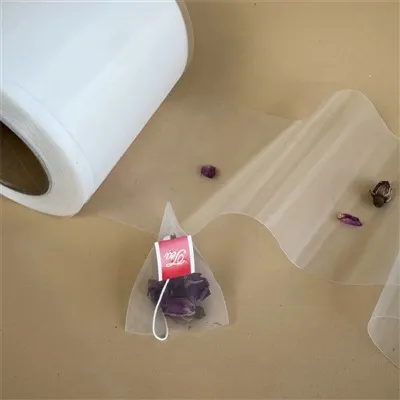
We also provide detailed product information and usage instructions to our customers, so they can use our coffee drip bags with confidence.
Tea Bag Paper Rolls If you’re a coffee roaster, a café owner, or someone who loves to brew coffee at home, and you’re looking for high – quality, safe empty coffee drip bags, we’d love to hear from you. Our team is ready to discuss your specific needs, be it the size, design, or quantity of the coffee drip bags. Please reach out to us to start a discussion about how we can meet your requirements and provide you with the best coffee brewing experience.
References
- "Food Packaging Materials: Chemistry, Migration, and Safety" by J. L. Begley and R. A. Hollifield
- "Polypropylene: Properties, Processing, and Applications" by S. Fakirov
- "Paper and Paperboard Packaging: Technology, Applications, and Sustainability" by P. A. Smith
Hangzhou Wish Import & Export Trading Co., Ltd.
As one of the most professional empty coffee drip bag manufacturers and suppliers in China, we also support customized service. Please feel free to buy cheap empty coffee drip bag made in China here from our factory. For price consultation, contact us.
Address: Room 418, Yilong Business Building, Shangcheng District, Hangzhou City, Zhejiang Province
E-mail: chris@hzwishpack.com
WebSite: https://www.wish-ecopacky.com/
