Can a Double Moving Plate Cold Press be used for mass production? Double Moving Plate Cold Press
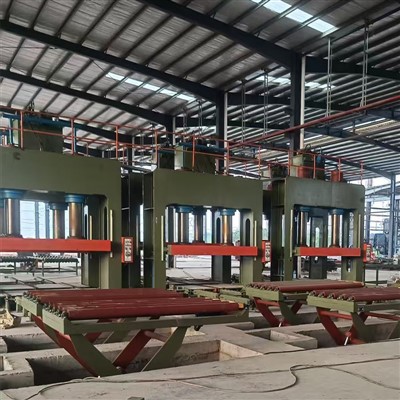
As a supplier of Double Moving Plate Cold Presses, I am frequently asked whether this type of equipment is suitable for mass production. In this blog post, I will delve into the features, advantages, and limitations of the Double Moving Plate Cold Press to determine its viability for large – scale manufacturing.
Understanding the Double Moving Plate Cold Press
The Double Moving Plate Cold Press is a specialized piece of machinery designed for the compression and molding of various materials at low temperatures. Unlike hot presses, which rely on heat to shape and bond materials, cold presses use pressure alone. The "double moving plate" design is characterized by two plates that move towards each other simultaneously, applying uniform pressure across the entire surface of the workpiece.
This type of press is commonly used in industries such as woodworking, automotive manufacturing, and composites production. In woodworking, it can be used to laminate veneers, create plywood, or assemble furniture components. In the automotive industry, it is utilized for molding interior parts, such as door panels and dashboards. In the composites sector, the cold press can be used to consolidate layers of fibers and resins to create high – strength, lightweight materials.
Advantages for Mass Production
1. High Efficiency
One of the key advantages of the Double Moving Plate Cold Press in mass production is its high efficiency. The simultaneous movement of the two plates allows for rapid compression cycles, reducing the time required for each pressing operation. For example, in a woodworking plant producing plywood, a well – functioning Double Moving Plate Cold Press can complete a pressing cycle in a matter of minutes, enabling the production of a large number of plywood sheets in a single day.
Moreover, the design of the double moving plates ensures that the pressure is evenly distributed across the workpiece. This means that the quality of each product is consistent, reducing the likelihood of rejects and rework. Consistent quality is crucial in mass production, as it helps to maintain high – volume output without sacrificing product standards.
2. Versatility
Another significant advantage is the versatility of the Double Moving Plate Cold Press. It can handle a wide range of materials, including different types of wood, plastics, composites, and polymers. This versatility makes it an ideal choice for manufacturers who produce multiple product lines or work with diverse raw materials.
For example, a manufacturer that produces both wooden furniture and plastic components can use the same Double Moving Plate Cold Press for different production processes. By simply adjusting the pressure and the pressing time, the press can be optimized for each specific material, eliminating the need for multiple specialized machines. This not only saves on capital equipment costs but also reduces the floor space required in the production facility.
3. Low Energy Consumption
Compared to hot presses, Double Moving Plate Cold Presses consume significantly less energy. Since they do not rely on heating elements to operate, the energy requirements are mainly limited to powering the hydraulic or mechanical systems that drive the movement of the plates. This low energy consumption translates into reduced operating costs, which is a major consideration in mass production.
In addition to the direct cost savings, the lower energy consumption also makes the Double Moving Plate Cold Press a more environmentally friendly option. As more and more manufacturers are looking for ways to reduce their carbon footprint, the energy – efficient nature of this type of press can be a significant selling point.
Limitations and Considerations
1. Material Limitations
While the Double Moving Plate Cold Press is versatile, it does have some material limitations. Some materials, such as certain types of thermoplastics, may require heat to properly bond and form. In these cases, a cold press may not be able to achieve the desired results, and a hot press may be necessary.
Manufacturers need to carefully evaluate the materials they are using and the specific requirements of their production process to determine if the Double Moving Plate Cold Press is a suitable option. For example, if a manufacturer is working with a high – performance composite material that requires precise heat treatment to achieve optimal strength and durability, a cold press may not provide the necessary conditions.
2. Pressure and Capacity Limitations
The pressure and capacity of the Double Moving Plate Cold Press also need to be considered in the context of mass production. Different models of cold presses have different maximum pressure ratings and working areas. If the production requirements involve large – scale or high – pressure applications, a press with insufficient capacity may not be able to meet the demand.
For instance, in the production of large – format composite panels for the aerospace industry, a high – pressure press with a large working area is typically required. If a manufacturer tries to use a smaller – capacity Double Moving Plate Cold Press for this type of production, it may result in incomplete compression, poor bonding, and ultimately, substandard products.
3. Initial Investment
The initial investment required to purchase a Double Moving Plate Cold Press can be relatively high. Depending on the size, capacity, and features of the press, the cost can range from tens of thousands to hundreds of thousands of dollars. This can be a significant barrier for small – to – medium – sized enterprises (SMEs) looking to start mass production.
However, it is important to note that the long – term cost savings in terms of energy consumption, high – quality output, and reduced rework can offset the initial investment over time. SMEs need to conduct a detailed cost – benefit analysis to determine if the investment in a Double Moving Plate Cold Press is financially viable for their business.
Best Practices for Using a Double Moving Plate Cold Press in Mass Production
1. Regular Maintenance
To ensure the continuous and efficient operation of the Double Moving Plate Cold Press in mass production, regular maintenance is essential. This includes checking the hydraulic systems for leaks, lubricating moving parts, and inspecting the plates for signs of wear and tear.
By following a strict maintenance schedule, manufacturers can prevent breakdowns and reduce downtime, which is crucial in mass – production environments. For example, a daily inspection of the hydraulic hoses can help to identify potential leaks before they cause major problems, ensuring that the press can continue to operate at full capacity.
2. Operator Training
Proper operator training is another key factor in successful mass production using a Double Moving Plate Cold Press. Operators need to be trained on the correct operation of the press, including setting the appropriate pressure, temperature (if applicable), and pressing time.
They also need to be trained on safety procedures to prevent accidents and injuries. A well – trained operator can optimize the performance of the press, reduce waste, and ensure the quality of the products. For example, an operator who is trained to recognize the signs of incomplete compression can make adjustments to the pressing parameters to improve the quality of the final product.
Conclusion
In conclusion, a Double Moving Plate Cold Press can be effectively used for mass production in many industries. Its high efficiency, versatility, and low energy consumption make it an attractive option for large – scale manufacturing. However, manufacturers need to be aware of its limitations, such as material and capacity constraints, and the initial investment required.
By carefully evaluating their production requirements, implementing best practices for operation and maintenance, and providing proper training for operators, manufacturers can maximize the benefits of the Double Moving Plate Cold Press in mass production.
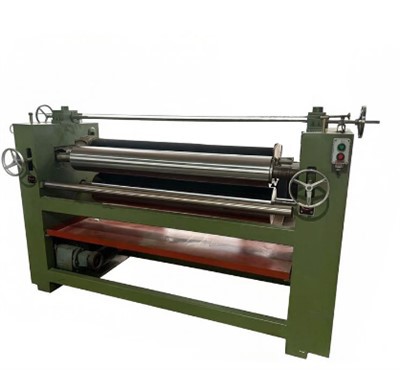
Sanding Machine If you are considering incorporating a Double Moving Plate Cold Press into your mass – production process, I encourage you to reach out to me. We can engage in a detailed discussion about your specific needs, and I can provide you with in – depth information on the capabilities of our equipment. Whether you are a small – scale business looking to expand or a large – scale manufacturer seeking to optimize your production line, I am confident that our Double Moving Plate Cold Presses can meet your requirements.
References
- Wood Handbook: Wood as an Engineering Material. U.S. Department of Agriculture, Forest Service, Forest Products Laboratory. Madison, WI.
- Composite Materials Handbook. Society of Automotive Engineers (SAE).
- Machinery’s Handbook, 30th Edition. Industrial Press Inc.
Jiashan Changle Machinery Manufacturing Co., Ltd.
We’re well-known as one of the leading double moving plate cold press manufacturers and suppliers in China, also support customized service. Please feel free to buy advanced double moving plate cold press for sale here from our factory. Quality products and punctual delivery are available.
Address: Building 12, Zone A, Wanyang Innovation City, No. 23 Yucao South Road, Ganyao Town, Jiashan County, Jiaxing City, Zhejiang Province
E-mail: Changle84615620@163.com
WebSite: https://www.changlejx.com/
