Yo, what’s up everyone! I’m a supplier of ceramic valves, and today I wanna chat about the flow capacity limitations of these bad boys. Ceramic Valve
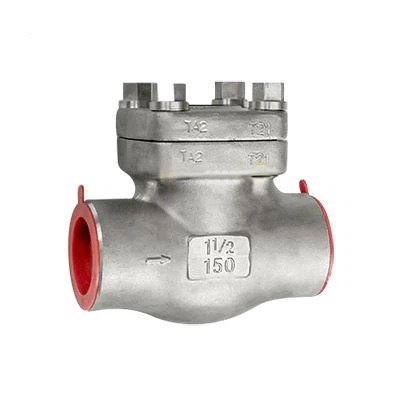
First off, let’s get into what ceramic valves are. Ceramic valves are made from high – performance ceramic materials, which are known for their excellent wear resistance, corrosion resistance, and high – temperature resistance. They’re used in a whole bunch of industries, like chemical processing, power generation, and water treatment. But just like any other valve, they have their flow capacity limitations.
One of the main factors that affect the flow capacity of a ceramic valve is its size. The diameter of the valve’s opening plays a huge role. A smaller valve opening means less fluid can pass through at a given time. For example, if you’ve got a ceramic valve with a 1 – inch opening and another with a 2 – inch opening, the 2 – inch valve is gonna have a much higher flow capacity. It’s like a water hose – a wider hose can let more water through than a narrow one.
The design of the valve also matters. There are different types of ceramic valves, such as ball valves, gate valves, and globe valves. Each design has a different internal structure, which affects how fluid flows through the valve. Ball valves, for instance, have a spherical disc that rotates to control the flow. They usually have a relatively high flow capacity because the opening in the ball can be quite large when fully open. On the other hand, globe valves have a more complex internal structure with a plug that moves up and down to regulate the flow. This design often results in a lower flow capacity compared to ball valves.
The pressure drop across the valve is another crucial factor. Pressure drop is the difference in pressure between the inlet and the outlet of the valve. When fluid flows through a valve, it experiences resistance, which causes the pressure to drop. A high – pressure drop means that more energy is being used to push the fluid through the valve. In ceramic valves, factors like the roughness of the internal surface and the shape of the flow path can increase the pressure drop. If the pressure drop is too high, it can limit the flow capacity because there might not be enough pressure available to push the fluid through at a desired rate.
The viscosity of the fluid being handled also impacts the flow capacity. Viscosity is a measure of a fluid’s resistance to flow. Thick, sticky fluids like honey have a high viscosity, while thin fluids like water have a low viscosity. Ceramic valves can handle a wide range of fluid viscosities, but high – viscosity fluids can pose challenges. They require more energy to flow through the valve, and the internal structure of the valve can cause more resistance to the flow of these thick fluids. So, when dealing with high – viscosity fluids, the flow capacity of a ceramic valve might be lower compared to when it’s handling low – viscosity fluids.
The temperature of the fluid is yet another consideration. Ceramic materials are great at withstanding high temperatures, but extreme temperatures can still have an effect on the flow capacity. At very high temperatures, the properties of the fluid can change. For example, the viscosity of some fluids might decrease as the temperature rises, which could increase the flow capacity. However, high temperatures can also cause thermal expansion of the ceramic valve components. If the expansion isn’t properly accounted for in the valve design, it can lead to changes in the internal dimensions of the valve, which might either increase or decrease the flow capacity depending on the specific situation.
Now, let me share some real – world examples of how these limitations can show up. In a chemical processing plant, they might be using ceramic ball valves to control the flow of a corrosive liquid. If the valve size is too small for the required flow rate, they’ll notice that the production process slows down because the liquid can’t be delivered fast enough. In a power plant, if the pressure drop across the ceramic globe valves used in the steam system is too high, it can reduce the overall efficiency of the power generation process.
So, why should you care about these flow capacity limitations when you’re thinking about buying ceramic valves from me? Well, understanding these limitations helps you choose the right valve for your specific application. If you need a high – flow rate, you’ll want to go for a larger – sized valve with a design that promotes low – resistance flow, like a ball valve. If you’re dealing with high – viscosity fluids, we can work together to find a valve that can handle them effectively without sacrificing too much flow capacity.
As a ceramic valve supplier, I’ve got a wide range of valves to choose from. I’ve spent years in this business, and I know how to match the right valve to your needs. Whether you’re in a small – scale water treatment facility or a large industrial plant, I can provide you with the ceramic valves that will work best for you.
If you’re interested in learning more about our ceramic valves or want to discuss your specific requirements, don’t hesitate to reach out. I’m here to help you make the right decision and ensure that you get the most out of your ceramic valve investment. Whether it’s calculating the appropriate flow capacity for your application or choosing the right valve design, we can work together to find the perfect solution.

In conclusion, while ceramic valves are super durable and have many great features, they do have flow capacity limitations. But with the right knowledge and the right supplier (that’s me), you can work around these limitations and get the best performance out of your valves. So, if you’re in the market for ceramic valves, let’s talk. I’m confident we can find a solution that meets your needs and keeps your operations running smoothly.
Gate Valve References
- "Valve Handbook" by Schubert, Bernd
Zhejiang Sunawei Valve Co., Ltd.
As one of the most professional ceramic valve manufacturers and suppliers in China, we offer a wide range of valves with superior quality. Please feel free to wholesale high quality ceramic valve at competitive price from our factory. We also accept customized orders.
Address: Anfeng Industrial, Oubei Town, Wenzhou City, Zhejiang, China
E-mail: snv@sunawevalve.com
WebSite: https://www.sunay-valves.com/
